Introduction:
Shopping has moved beyond physical stores. Today, you can buy almost anything — from groceries to luxury watches — with just a few clicks. This is made possible by E-commerce websites. Whether you’re a small business owner or a global brand, having an online store opens the door to millions of potential customers. But what exactly is an E-commerce website, and how does it work? Let’s find out.
1. Definition of an E-commerce Website
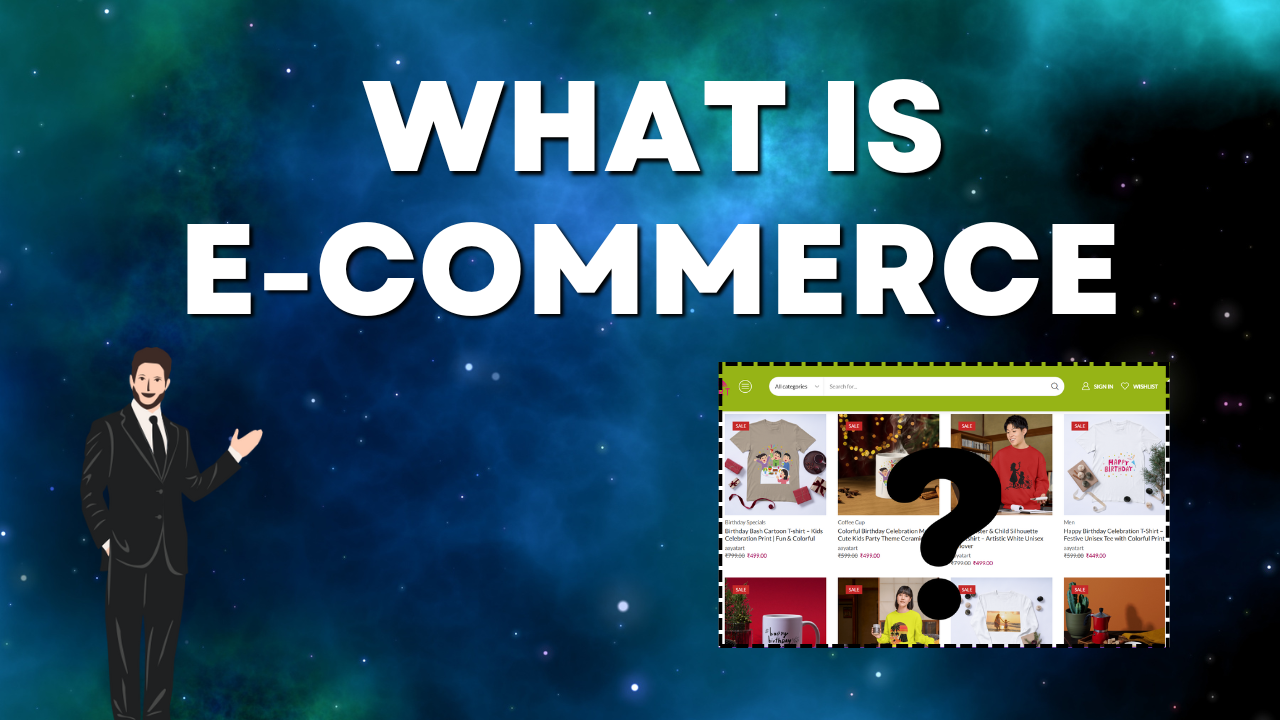
An E-commerce website is an online platform where businesses sell products or services directly to customers through the internet. It acts as a virtual store, allowing shoppers to browse items, add them to a cart, make payments, and have products delivered — all from the comfort of their home.
2. How an E-commerce Website Works
An E-commerce website typically follows this process:
- Product Display – The site showcases products with images, descriptions, and prices.
- Shopping Cart – Customers add selected items to their cart.
- Checkout – Buyers enter shipping details and payment information.
- Order Processing – The system confirms and processes the order.
- Delivery – Products are shipped or services are delivered.
3. Key Features of an E-commerce Website
- Product Catalog – Organized product listings with images and details.
- Secure Payment Gateway – Supports credit cards, UPI, PayPal, etc.
- User Accounts – Customers can track orders and save preferences.
- Mobile-Friendly Design – Works seamlessly on smartphones and tablets.
- Search & Filters – Helps users find products quickly.
- Customer Reviews – Builds trust with real feedback.
4. Types of E-commerce Websites
- B2C (Business to Consumer) – Businesses selling directly to customers. Example: Amazon.
- B2B (Business to Business) – Businesses selling to other businesses. Example: Alibaba.
- C2C (Consumer to Consumer) – People selling to each other via platforms. Example: eBay.
- C2B (Consumer to Business) – Individuals offering products/services to businesses.
5. Benefits of Having an E-commerce Website
- Global Reach – Sell to customers anywhere in the world.
- 24/7 Availability – Your store never closes.
- Lower Operating Costs – No need for expensive physical outlets.
- Better Customer Insights – Track shopping behavior and preferences.
- Scalability – Easily add more products or expand categories.
Conclusion:
An E-commerce website is more than just an online store — it’s a powerful tool for reaching new customers, increasing sales, and building a brand. In today’s fast-paced digital economy, having an E-commerce presence is no longer optional; it’s a necessity for any business that wants to grow and compete.